
serengeti national park
Uncover the Wonders of Serengeti National Park Your Gateway to the Great Migration, Big Five, and Iconic African Landscapes
🗺️ About Serengeti National Park
Serengeti National Park is a legendary wildlife reserve in northern Tanzania, primarily in the Mara and Simiyu regions. It lies on the broad Serengeti Plain, extending about 160 km southeast from Lake Victoria and southward from the Kenya–Tanzania border. The park abuts Kenya’s Maasai Mara ecosystem to the north and Ngorongoro Conservation Area to the southeast. Elevations range roughly from 920 to 1,850 meters above sea level, giving a mild climate. In Maasai, “Serengeti” means “Endless Plains,” reflecting the park’s sweeping flat grasslands.
Size and Ecosystems
Serengeti NP covers about 14,763 km² (5,700 mi²) of Tanzanian wilderness. UNESCO notes that the site includes approximately 1.5 million hectares of savanna. Most of the park is open grassland and acacia savanna, interspersed with kopjes (granite outcrops) and gallery forests. The terrain can be divided into three main ecological zones: the central Serengeti Plains (flat grasslands), the Western Corridor (broken country with riverine woodlands along the Grumeti and Mbalageti rivers), and the Northern Serengeti (undulating country of acacia woodland and kopjes leading to the Mara River). These habitats together support high biodiversity.
Major Wildlife Species
The Serengeti is famed for its rich megafauna. It sustains all of Africa’s “Big Five” mammals: roughly 3,000 lions (the largest known population on the continent), about 1,000 leopards, over 5,000 African bush elephants, roughly 53,000 Cape buffalo, and a small population of about 30 eastern black rhinos. Huge herds of grazers dominate the plains: on the order of 1.5–2 million wildebeest (gnu) in a given year, as well as ~200–300 thousand plains zebras and a similar number of gazelles. Other abundant herbivores include Masai giraffes, warthogs, elands, hartebeest, topi and Coke’s hartebeest, waterbuck, impala, and hippos. Large carnivores besides lions and leopards are plentiful: about 3,500 spotted hyenas and ~225 cheetahs roam the park. Primates such as olive and yellow baboons and vervet monkeys are common around woodland areas. Birdlife is also prolific – over 500 species have been recorded, including ostriches, marabou storks, crowned cranes, vultures and thousands of flamingos on seasonal wetlands. In all, the Serengeti boasts one of the world’s highest concentrations of large mammals and a very rich fauna.
The Great Migration
One of Serengeti’s most famous events is the annual Great Migration of herbivores. Over a million wildebeest, along with hundreds of thousands of zebras and gazelles, follow the rains in a roughly circular trek across the ecosystem. The cycle typically begins in the southern plains (around the Ngorongoro or Ndutu area) where calves are born during the short rains (January–March). By June, the herds head west through the Grumeti River area and then north into Kenya’s Maasai Mara reserve, often crossing the Mara River in July–August. After spending the dry season north of the border, the animals return to the Serengeti’s southern plains with the November rains. This migration of ~2,000,000 wildebeest, 300,000 zebras and 900,000 gazelles (in the 2020s) is “one of the most impressive natural events in the world”. The driving factors are seasonally shifting grasses and water, and predators like lions and crocodiles follow the herds. The migration cycle continues year after year, sustaining predator–prey dynamics and preventing overgrazing.
Historical Background
Before colonial times, the Serengeti plains were home to Maasai pastoralists. The first formal protection came in 1930 when a 2,286 km² game reserve was set aside in the southern Serengeti (hunting was banned by 1937). In 1951 the government (then British-administered Tanganyika) gazetted Serengeti as a National Park. The original park included what is now the Ngorongoro Conservation Area; in 1959 that area was separated so that Maasai communities could continue grazing outside the park, while the Serengeti’s boundaries were extended to the Kenya border. (The Masai Mara Reserve in Kenya was created in 1961, and in 1965 a “Lamai Wedge” corridor was added on the Tanzania side to keep the migration route intact.)
Serengeti gained rapid international attention in the 1950s and 1960s. German zoologist Bernhard Grzimek conducted the first systematic wildlife census of the park in the late 1950s, tallying large herbivore herds from the air. In 1962 the Serengeti Wildlife Research Centre (Seronera Camp) was established to coordinate scientific studies. Grzimek’s 1959 documentary “Serengeti Shall Not Die” helped raise global awareness of the park’s wildlife. In recognition of its outstanding natural values, Serengeti NP was inscribed on the UNESCO World Heritage List in 1981.
Conservation Efforts
Serengeti NP is managed by Tanzania’s national parks authority (TANAPA) and benefits from active partnerships with conservation organizations. Poaching and snaring were severe threats in the late 20th century – elephants and black rhinos were heavily targeted for ivory and horn. Today, ranger patrols, aerial surveillance and community outreach are vigorously enforced. A notable program (led by TANAPA and the Frankfurt Zoological Society) is the de-snaring initiative: teams of rangers (often working with former poachers) systematically comb the park to remove wire snares set for bushmeat. Since 2017 this program has dismantled thousands of snares and freed hundreds of trapped animals. Tourism revenues and donor funds also support anti-poaching units and local community projects around the park.
These efforts have helped recover wildlife in some cases. For example, a recent survey reported that Serengeti’s lion population has risen to its highest level in decades (around 3,000 individuals as of 2025) thanks to anti-poaching enforcement and improved human-wildlife coexistence measures. Similarly, elephant numbers (now ~5,000) have rebounded from poaching lows. Black rhino numbers remain critically low (~31 individuals) but are closely monitored. Overall, the park is a high-priority conservation area; its UNESCO status and long history of research (from Grzimek’s work to ongoing studies) underpin continuous efforts to maintain the Serengeti’s ecological integrity.
Tourism
Serengeti National Park is Tanzania’s premier safari destination and a cornerstone of the country’s tourism. It is consistently voted Africa’s top national park – for example, winning “Africa’s Leading National Park” multiple years running. In recent years Serengeti has seen roughly 450,000–500,000 visitors per year. A 2024/25 report notes about 491,400 visitors for that year. (In one survey Serengeti – together with neighboring parks like Ngorongoro – accounted for about 63% of all Tanzania park visits.) Tourists come mainly for game drives to see the wildlife and migration. The peak season is during the dry months (roughly June–October), when animals congregate at water and vegetation is sparse. Safari lodges and tented camps are widely distributed across the park (often moving camps seasonally to follow the migration). Many operators also offer balloon safaris and guided walks.
Visitor satisfaction is generally high, but managing the delicate balance of tourism and conservation is an ongoing task. For example, despite record visitor numbers, recent reports noted that overall park revenue (often around $100 million/year) can fluctuate with economic and operational factors. Tanzanian authorities emphasize eco-tourism initiatives, local community benefits, and infrastructure improvements to ensure Serengeti’s long-term viability as a premier wildlife destination. In summary, Serengeti’s protected status and global fame draw hundreds of thousands of visitors annually, making it a keystone of both Tanzania’s natural heritage and its economy.
Sources: Authoritative accounts of Serengeti’s geography, wildlife, and history from Encyclopaedia Britannica, UNESCO, official park and conservation organization publications, and recent tourism reports. These are cited above for specific data and claims.
🐾 1. Witness the Great Migration
Every year, over 1.5 million wildebeests and zebras cross the Serengeti in search of fresh pastures, facing dramatic river crossings and predator ambushes. Travel with Excellent Safaris to be in the right place at the right time.
🦁 2. Spot the Big Five
From mighty elephants to elusive leopards, the Serengeti is one of the best places to see Africa’s Big Five in their natural habitat.
🌅 3. Picture-Perfect Landscapes
Explore endless golden plains, dramatic sunsets, and iconic acacia trees—ideal for photography and unforgettable safari memories.
🚙 4. Custom Safari Experiences
Excellent Safaris offers private 4×4 game drives, hot air balloon safaris, bush breakfasts, and luxury tented camps, all tailored to your travel dreams.
📍 Best Time to Visit Serengeti
| Season | Months | Experience |
|---|---|---|
| 🐃 Migration Season | June – October | Best time for river crossings and predator action |
| 🌿 Green Season | November – March | Calving season, lush landscapes, and fewer tourists |
| 🔥 Dry Season | June – October | Excellent game viewing as animals gather at waterholes |
| 🌧️ Wet Season | April – May | Low season with fewer crowds, good for birding |
🛏️ Where to Stay in Serengeti
We partner with a hand-picked selection of accommodations, from luxury lodges to mobile tented camps, including:
Serengeti Serena Safari Lodge
Kubu Kubu Tented Lodge
Four Seasons Safari Lodge
Budget Camping Options
Each stay includes full board, game drives, park fees, and professional guides.
🧭 Serengeti Safari Itineraries
Excellent Safaris offers customizable tours like:
3 Days Serengeti Fly-In Safari
5 Days Serengeti & Ngorongoro Crater Combo
7 Days Great Migration Safari
10 Days Northern Circuit – Serengeti, Tarangire, Ngorongoro & Lake Manyara
📩 Need a custom safari? [Talk to our experts ]
🧳 What to Pack for Serengeti Safari
Neutral-colored clothing
Binoculars
Insect repellent
Camera with zoom lens
Wide-brim hat & sunscreen
Travel documents & park permits
See our full safari packing list.
🦓 Local Tanzanian company with over 10 years’ experience
🚐 Private safaris in well-maintained 4×4 vehicles
🏕️ Access to exclusive campsites and lodges
🌍 Eco-friendly and community-supporting operations
🧭 Expert guides with in-depth wildlife knowledge
Client Reviews:

Our Travel Blog
Read more on our blog and plan your trip today!
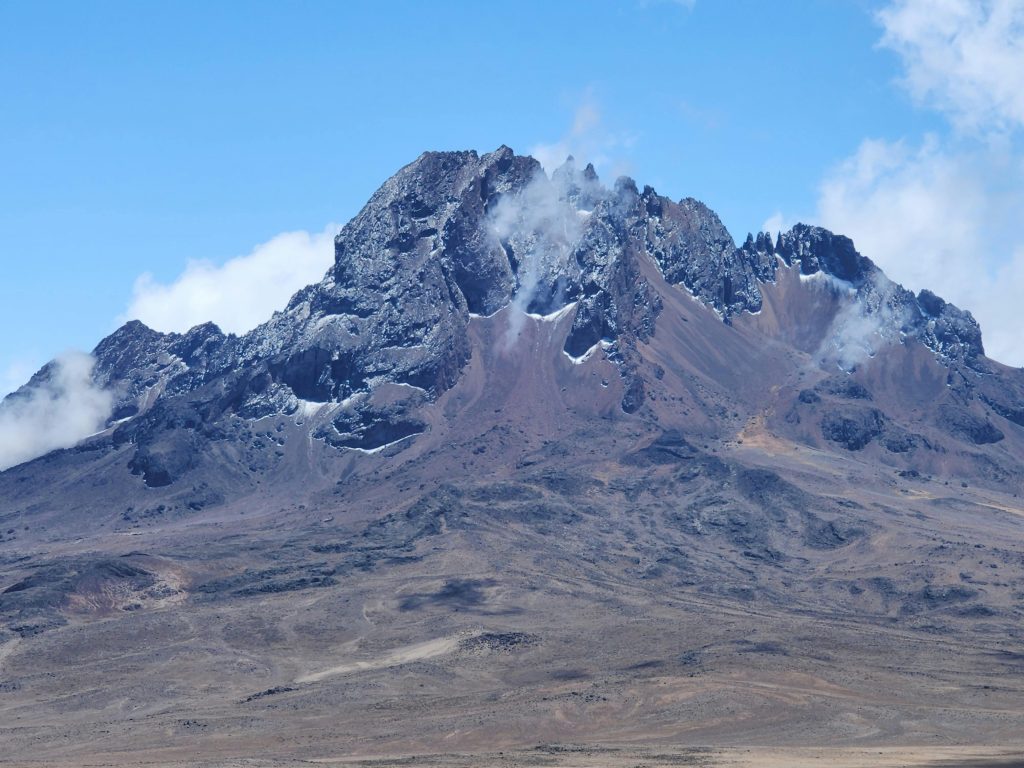
How Tall is Mount Kilimanjaro and What Makes It Unique
How Tall is Mount Kilimanjaro and What Makes It Unique? Mount Kilimanjaro. The very name evokes images of mist-shrouded peaks, vast African plains, and the
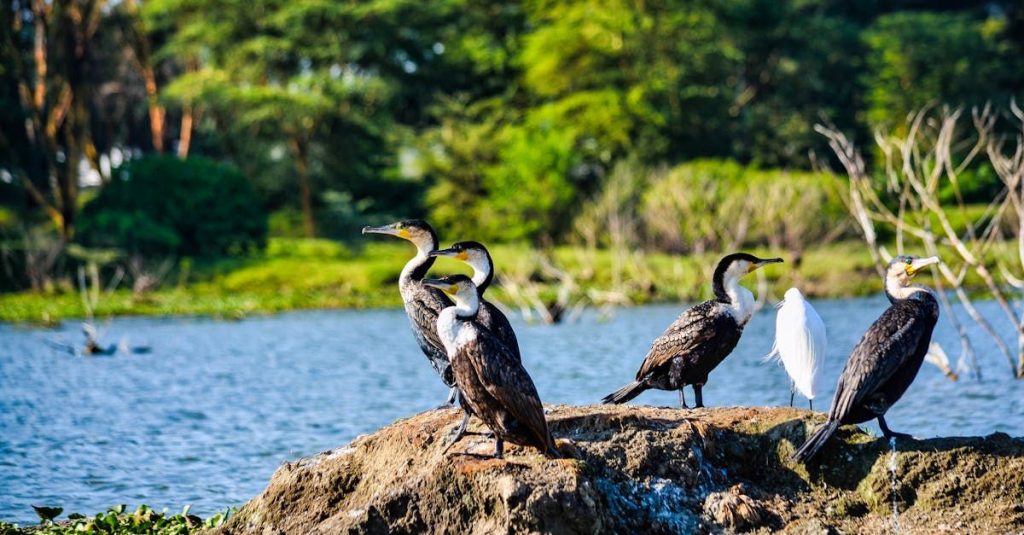
Tanzania National Parks: Top Safari Destinations for 2025
Tanzania National Parks: Top Safari Destinations for 2025 Tanzania has some of the richest wildlife experiences on the planet. One park alone, Ngorongoro, packs about
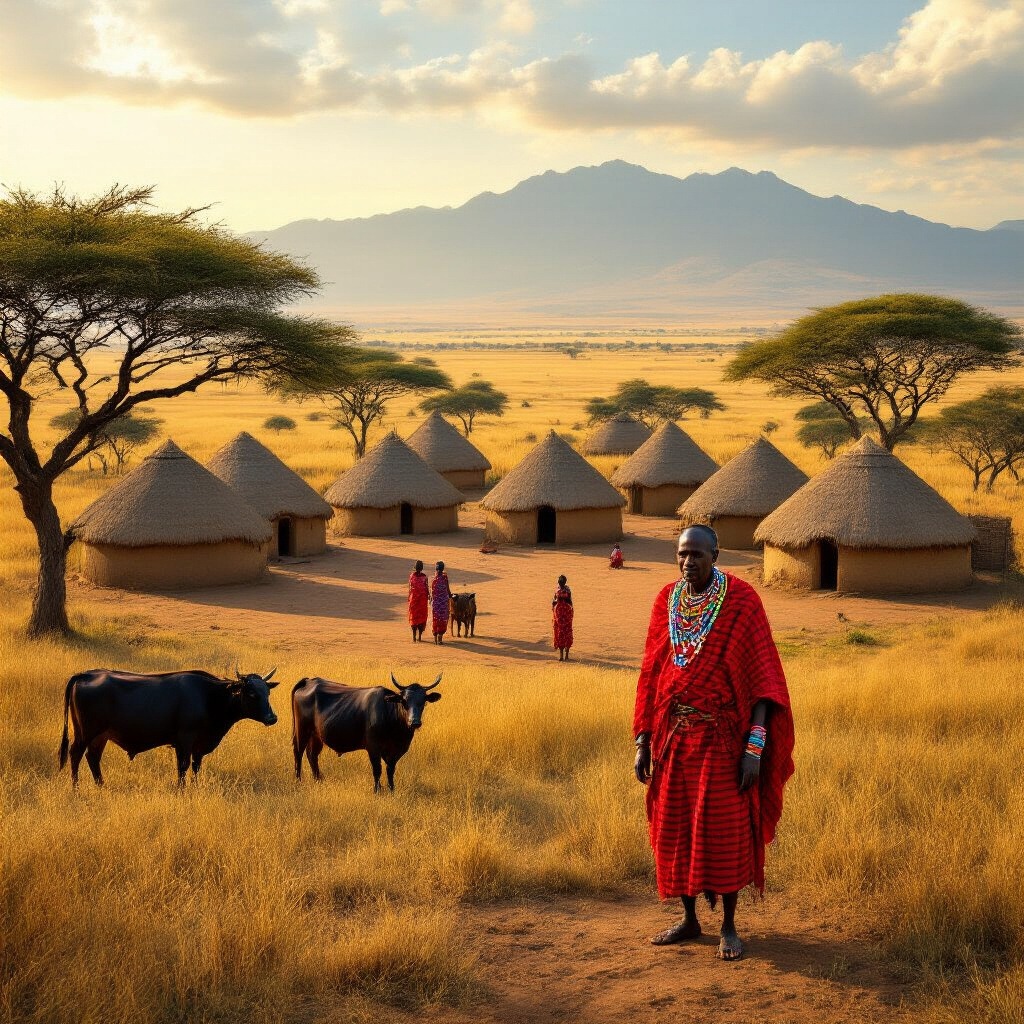
Maasai village tanzania
Explore Authentic Maasai Village Life in Tanzania Ever wondered what it’s like to step into a world where ancient traditions still thrive in our modern