
ngorongoro crater
Journey into the heart of Africa’s most breathtaking natural wonder.
The Ngorongoro Crater, a UNESCO World Heritage Site, offers an unmatched safari experience surrounded by towering volcanic walls and teeming with the Big Five. With Excellent Safaris, explore this ancient caldera where wildlife roams free, landscapes dazzle, and every moment becomes a story worth telling.
🏞️ Overview of Ngorongoro Crater
1. History
Ngorongoro Crater was formed about 2–3 million years ago when a massive volcano collapsed into itself, leaving the largest intact volcanic caldera on Earth. Its Maasai name is onomatopoeic (after the sound of a cowbell), and the Maasai pastoralists have long grazed livestock on the rim and floor. The wider Ngorongoro Conservation Area (NCA) was established in 1959 as a multiple‐use reserve, explicitly to allow traditional Maasai pastoralism alongside wildlife preservation. This model – wildlife and people coexisting – was recognized by UNESCO in 1979 (natural World Heritage listing) and again in 2010 (for its exceptional archaeological heritage).
Archaeologically, Ngorongoro is world-famous. Nearby Olduvai Gorge and Laetoli (in the NCA) have yielded hominin fossils and footprints spanning ~4 million years. Mary and Louis Leakey’s excavations uncovered the famous “Zinj” (Australopithecus boisei) skull and early Homo habilis and Homo erectus fossils. At Laetoli (3.6 million years old) Mary Leakey found Australopithecus afarensis (“Lucy”) and hominin footprints of three individuals. UNESCO notes that Ngorongoro has “a long sequence of evidence of human evolution,” from 3.6‐million-year-old bipedal footprints to diverse hominin remains and early Homo sapiens artifacts. In sum, Ngorongoro (and adjacent sites) are a “cradle of humanity” that chronicle major stages of human evolution.
2. Geography and Geology
Ngorongoro Crater is a huge volcanic caldera about 16–22 km across. It covers roughly 260 km² and is about 610 m deep. The crater’s rim rises to about 2,286 m (7,500 ft) above sea level, with the floor around 1,800–1,900 m. The caldera walls are steep and well-preserved (on average 610 m high), making Ngorongoro the world’s largest intact (unbroken) unflooded caldera. (Before collapse, the volcano may have towered ~4,500–5,800 m, rivaling Kilimanjaro.)
The landscape inside the crater is surprisingly varied. The floor is mostly open grassland (short-grass plains) dotted with acacia trees, with a woodland patch (Lerai Forest) fed by springs from the southern rim. A shallow alkaline soda lake, Lake Magadi, lies at the lowest point; it is fringed by green swamps and attracts thousands of flamingos in the wet season. To the east are hot springs (Nguoitokitok) and a large swamp where hippos bathe. Small volcanic cones and a few other craterlets (e.g. Empakaai and Olmoti craters) lie on the crater floor. In short, the crater is a self-contained basin of savanna, wetland and forest in the highlands of the East African Rift, part of the Serengeti ecosystem.
3. Wildlife and Biodiversity
Ngorongoro’s dense mix of habitats supports an extraordinary concentration of wildlife (roughly 25,000 large animals). Iconic species abound: all “Big Five” animals are present – African lion, leopard, African elephant, Cape buffalo and eastern black rhinoceros. In fact, the crater harbors one of the world’s densest lion populations, and it became famous in the 1990s when conservationists found that the largest remnant population of eastern black rhinos in northern Tanzania survived there. (Rhino numbers plunged to ~13 by 1993, but anti-poaching efforts by TANAPA, the Frankfurt Zoological Society, WWF and others have raised the count to ~50–60 today.)
Other abundant mammals include wildebeest, zebra, Thompson’s and Grant’s gazelles (the crater lies on the periphery of the Great Migration), as well as warthogs, hippopotamus, hyenas, jackals, and primates (baboons, monkeys in forest patches). The floor’s short-grass plains (especially near springs and the lake) attract huge herds of grazing ungulates. Birdlife is equally rich: over 500 species have been recorded. The shallow lake and wetlands host thousands of lesser flamingos (their pink flocks often ring Lake Magadi), pelicans, storks and waterfowl, while raptors, cranes, bustards and hundreds of other savanna birds thrive. (Notably, Ngorongoro even has a local endemic: Mduma’s shrew, restricted to the crater’s forest edges.) In short, the crater combines savanna, woodland and wetland ecosystems to form one of Africa’s most spectacular wildlife refuges.
4. Tourism
Ngorongoro Crater is a major safari destination. Visitors typically reach the park via Arusha and travel along the western rim to a single road that descends into the crater floor. All game-viewing is done by vehicle on gravel tracks; popular activities include guided game drives (morning and afternoon), crater rim walks and cultural visits to local Maasai bomas (villages). A handful of lodges and tented camps line the rim (e.g. Ngorongoro Serena Lodge, Crater Lodge) and a couple of camps on the floor. There is also a visitor center and picnic area near the Ngoitokitok Spring. Tourist numbers are regulated: a permit is required and only a limited number of vehicles can enter the crater each day to minimize impact.
Wildlife viewing in Ngorongoro is year-round, but the dry season (June–October) is considered prime time. During these months water is scarce on the open plains, so animals concentrate around the crater’s lakes and springs. The grass is short, making wildlife easier to spot. (Indeed, game drives are “at their premium” in the dry season.) The wet season (November–May) brings afternoon rains: the crater turns lush and green and flamingo numbers bloom, and visitor traffic is lower. Many travelers consider April–May (long rains) a good “shoulder season” for a quiet visit, though roads can be muddy. In any season, Ngorongoro offers one of Africa’s best chances to see dense wildlife in a confined, scenic setting. (As one safari guide notes, the crater hosts “over 25,000 animals, including the Big Five,” and even outside the dry season “wildlife congregates around the watering holes”.)
5. Conservation and Management
Ngorongoro is managed by the Ngorongoro Conservation Area Authority (NCAA) under Tanzanian law. Its mandate is unique: to balance wildlife conservation with the livelihood of resident Maasai pastoralists. The Maasai may graze cattle on the crater rim and parts of the conservation area (cultivation is prohibited except subsistence), reflecting the original plan for multiple land-use. (In practice, grazing has been restricted in recent decades: since 2015 Maasai are no longer permitted to herd livestock on the crater floor.) Revenues from tourism are shared with local communities, and Maasai culture itself has become a tourism draw (many visitors tour a Maasai boma).
Nevertheless, conservation here faces challenges. Growing human and livestock populations in the NCA have raised concerns about overgrazing and land-use pressure. Pastoralists’ attempts to expand agriculture or settle in sensitive areas are restricted. Wildlife threats include poaching and disease: Ngorongoro’s black rhinos were nearly extirpated by the early 1990s, and lions periodically suffer disease outbreaks. Anti-poaching patrols and aerial surveys (run by TANAPA, FZS and other partners) have helped stabilize rhino numbers and monitor predators. UNESCO and Tanzania’s park authorities emphasize limiting invasive species, controlling tourist impacts (e.g. limiting cars, enforcing rules) and maintaining wildlife corridors to adjacent Serengeti.
Tensions over land use have also been high. For example, a 2009 wildlife law imposed strict limits on human use in the crater, and in 2021 the government announced plans to relocate all Maasai to villages outside the NCA (notably Msomera, ~600 km away). These measures, aimed at protecting the crater’s “natural value,” have been criticized by Maasai leaders and human-rights groups as coercive. The balance between conservation and community rights remains a central issue. In all, Ngorongoro is managed under a mixed-use regime: wildlife is strictly protected (no hunting allowed) while indigenous pastoralists continue to inhabit the area, a model that is constantly negotiated through the NCAA and international oversight.
Sources: Authoritative summaries of Ngorongoro’s geology, ecology and heritage are given by UNESCO and Encyclopædia Britannica, as well as by the Ngorongoro Conservation Area Authority. Recent guides and reports (as cited above) provide up-to-date detail on tourism and conservation. All facts are drawn from these sources.
🐾 Wildlife in Ngorongoro Crater
Ngorongoro Crater is home to some of Africa’s densest wildlife populations, including:
🦁 The Big Five: lions, elephants, buffalo, leopards, and rhinos
🦓 Large herds of wildebeest and zebra
🦛 Hippos, flamingos, and many bird species around the crater lakes
🦏 Rare black rhinos protected within the conservation area
Experience this incredible wildlife with expert guides from Excellent Safaris.
🌄 Unmatched Scenic Beauty: Dramatic landscapes formed by ancient volcanic activity.
🦒 Rich Wildlife Experience: See a variety of animals concentrated in one unique location.
🪶 Cultural Encounters: Visit Maasai villages nearby to experience traditional Tanzanian culture.
🌍 World Heritage Site: Explore a site protected by UNESCO for its ecological and geological significance.
📅 Best Time to Visit Ngorongoro Crater
The crater is open year-round, but the best wildlife viewing is during the dry season from June to October, and the short dry spell in January and February when animals gather near water sources. The wet seasons (March-May, November-December) bring lush landscapes and great birdwatching, but some roads can be challenging.
| Season | Months | What to Expect |
|---|---|---|
| Dry Season | June to October | Best game viewing; animals gather near water; sunny and pleasant weather |
| Short Dry Season | January to February | Good wildlife viewing; fewer crowds; green scenery |
| Long Rainy Season | March to May | Heavy rains; lush landscapes; some roads may be challenging; great for birdwatching |
| Short Rainy Season | November to December | Light rains; greener scenery; fewer tourists |
🚙 Safari Options with Excellent Safaris
🎯 Perfect as a 1–2 day trip or part of a full northern circuit. Combine with:
🦏 Ngorongoro Crater
🐘 Tarangire National Park
📦 All Packages Include:
✅ 4×4 Game Drives
✅ Expert English-Speaking Guide
✅ Full Board Lodging
✅ Park Entry Fees
❓ Frequently Asked Questions
Is Ngorongoro Crater suitable for family safaris?
Yes, the crater is perfect for families with safe lodges and easy wildlife viewing.
How long should I spend there?
Most guests spend 1 to 2 days to fully enjoy the crater and its wildlife.
Do I need a permit to enter the crater?
Yes, permits are required and are arranged through your safari operator, like Excellent Safaris.
What accommodation options are available?
You can choose from luxury lodges to tented camps, suiting all budgets.
💬 Testimonial

For latest information visit ours blog
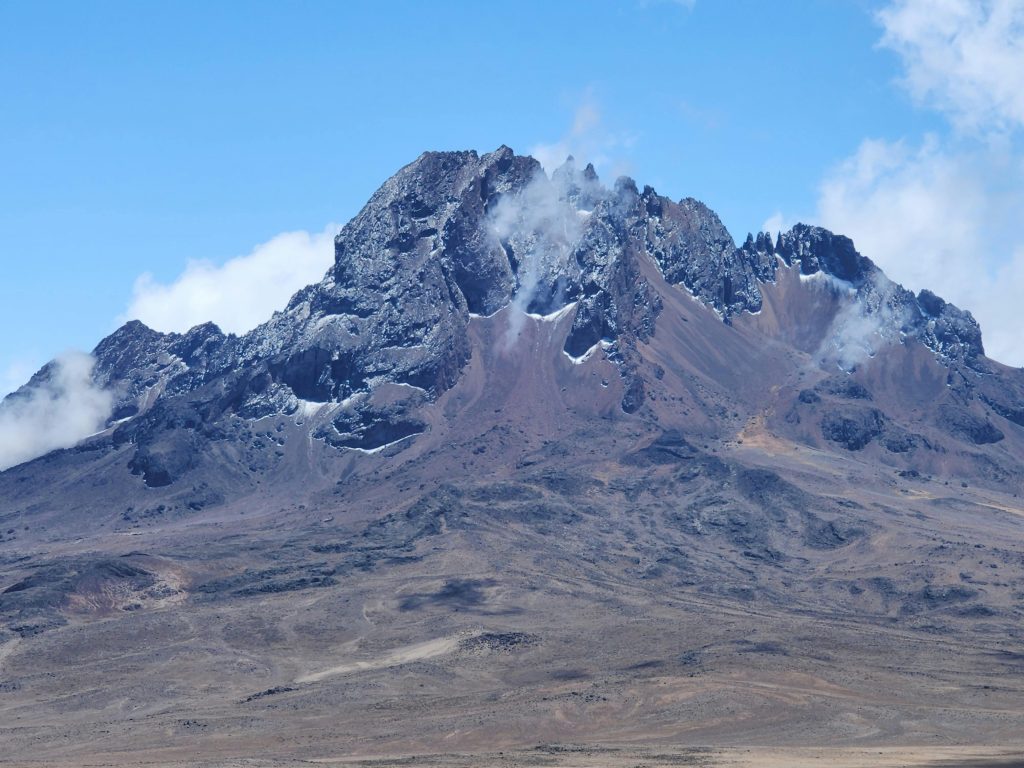
How Tall is Mount Kilimanjaro and What Makes It Unique
How Tall is Mount Kilimanjaro and What Makes It Unique? Mount Kilimanjaro. The very name evokes images of mist-shrouded peaks, vast African plains, and the
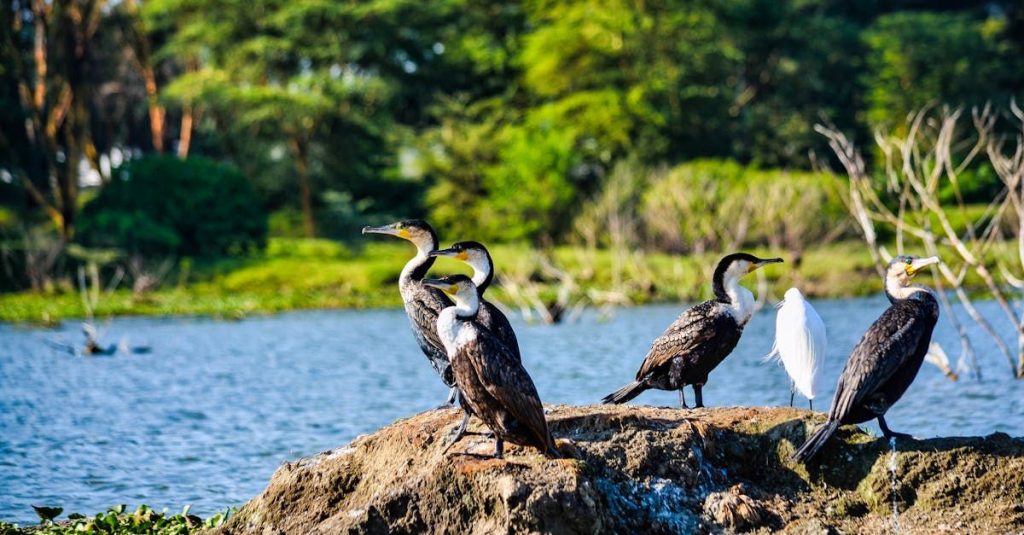
Tanzania National Parks: Top Safari Destinations for 2025
Tanzania National Parks: Top Safari Destinations for 2025 Tanzania has some of the richest wildlife experiences on the planet. One park alone, Ngorongoro, packs about
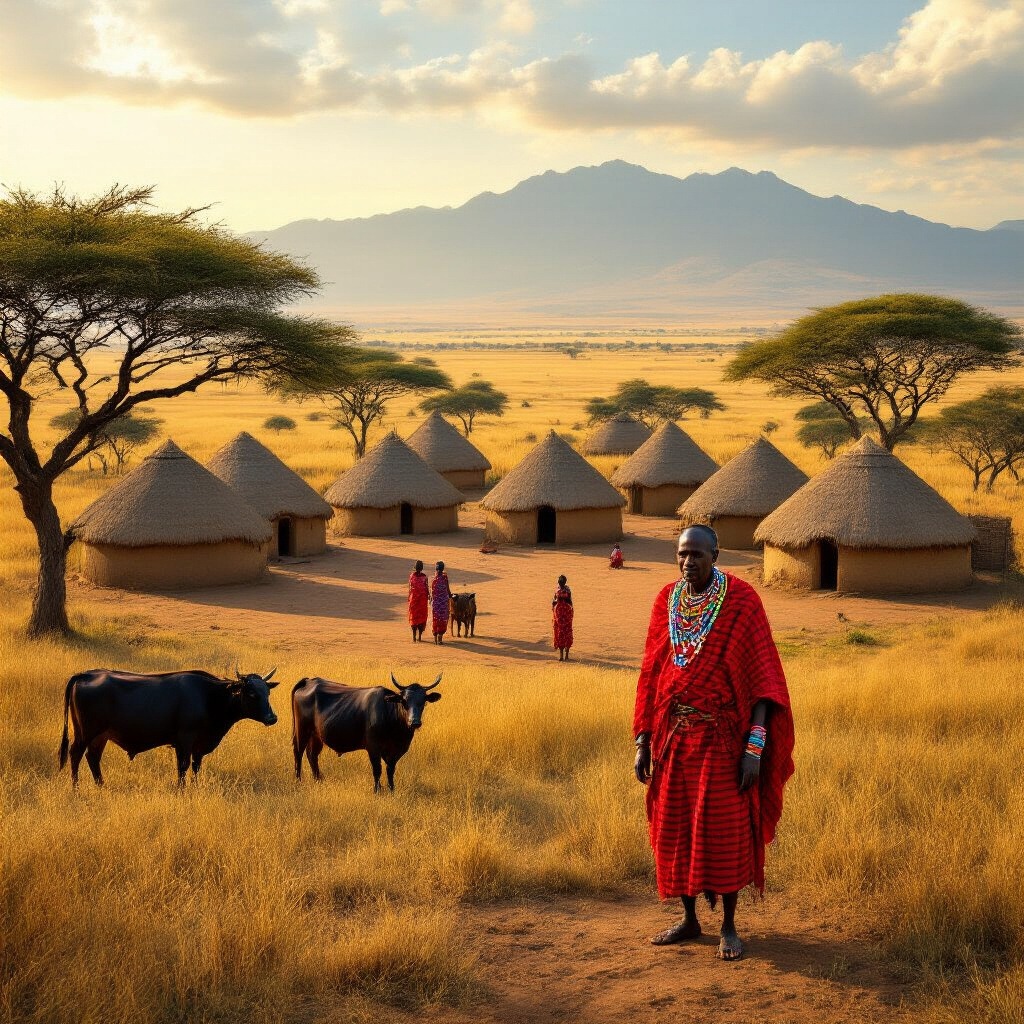
Maasai village tanzania
Explore Authentic Maasai Village Life in Tanzania Ever wondered what it’s like to step into a world where ancient traditions still thrive in our modern