Lemosho Route

🏔️ Climb Kilimanjaro via the Lemosho Route

Scenic, less crowded, and high success rate.
8-Day trek to Africa’s highest peak with expert guides.

🌍 About the Lemosho Route

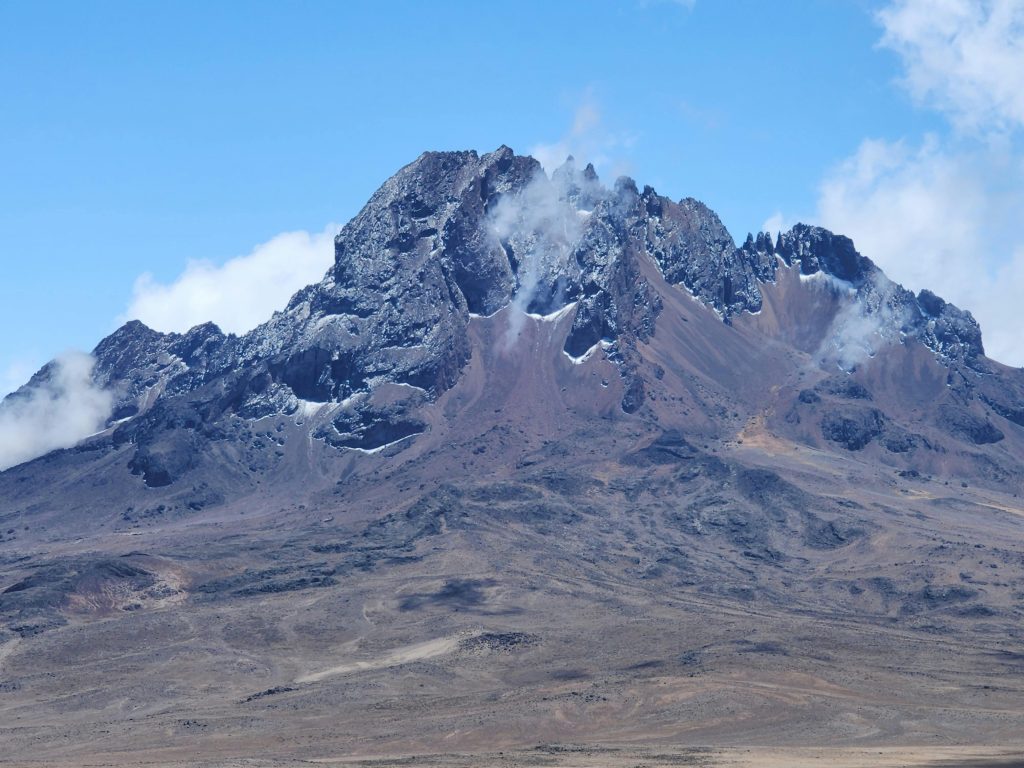
The Lemosho Route is widely considered the most beautiful and scenic trail to climb Mount Kilimanjaro. Starting on the western side, it offers diverse landscapes, rich wildlife, and excellent acclimatization, increasing your chance of reaching the summit successfully.

  • Duration: 7 to 8 Days

  • Distance: Approx. 70 km

  • Difficulty: Moderate to Challenging

  • Success Rate: Over 90% (8-day route)

  • Accommodation: Tents (fully equipped camps)

  • Best Time to Climb: January–March, June–October

✅ Why Choose the Lemosho Route?
FeatureBenefit
Best SceneryRainforest, moorland, alpine desert & glaciers
High Success RateGradual ascent allows better acclimatization
Fewer CrowdsQuieter start compared to Machame or Marangu
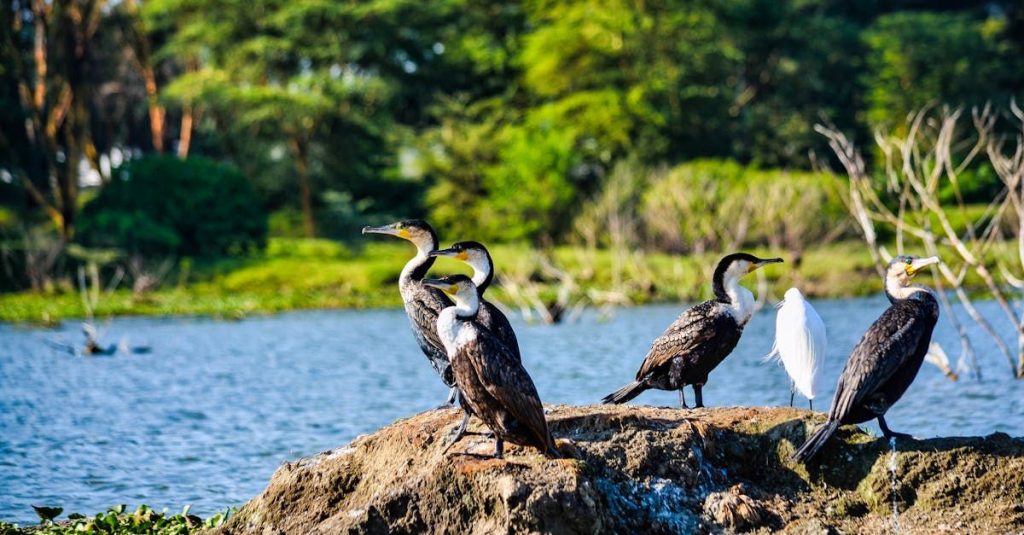
Wildlife SpottingChance to see elephants, colobus monkeys
Professional SupportExpert guides, quality gear, and full backup by Excellent Safaris

🧳 Travel Essentials

  • Start Point: Moshi / Arusha

  • Airport: Kilimanjaro International Airport (JRO)

  • Visa: Required (can get on arrival)

  • Vaccinations: Yellow Fever (if coming from risk zone)

  • Currency: Tanzanian Shilling (TSh)

❓ Frequently Asked Questions

Q: Is the Lemosho Route difficult?

Moderate to challenging. With 8 days, acclimatization is excellent, making it suitable for most fit trekkers.

January to March (clearer skies, fewer climbers) and June to October (dry season).

Not necessarily, but good fitness and preparation improve success.

We’ll provide a full checklist. Quality rentals available in Moshi.

Lemosho is great for acclimatization. Our guides monitor you daily, and we carry oxygen and first aid.

Tips & Trick

For latest information visit ours blog

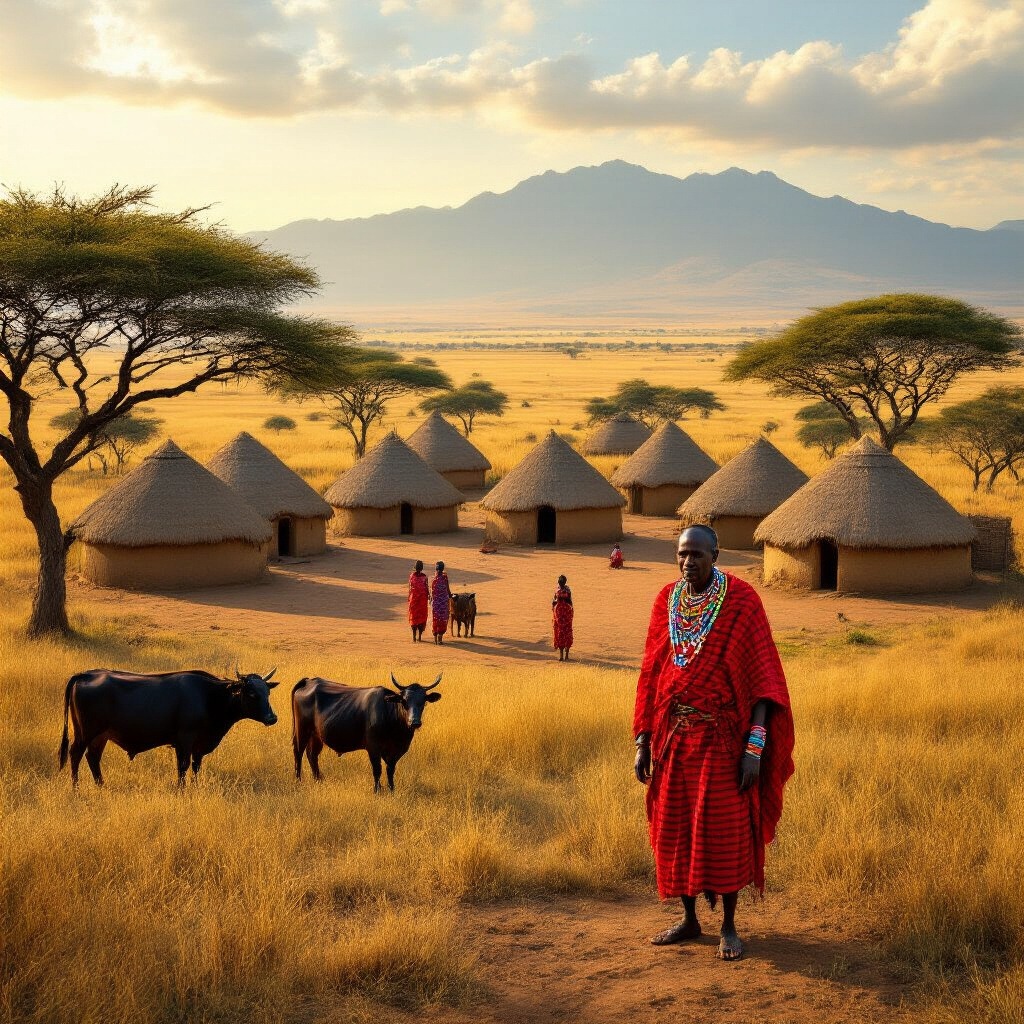
Maasai village tanzania
Cultural trips

Maasai village tanzania

Explore Authentic Maasai Village Life in Tanzania Ever wondered what it’s like to step into a world where ancient traditions still thrive in our modern

Read More »