
Lake manyara National Park
🌿 Discover the Hidden Gem of Tanzania – Lake Manyara National Park
Experience tree-climbing lions, pink flamingos, and breathtaking landscapes on a Lake Manyara safari with Excellent Safaris.
🗺️ About Lake Manyara National Park
Lake Manyara National Park lies on the floor of the Great Rift Valley in northern Tanzania, bounded by a steep escarpment to the west and the soda Lake Manyara to the east. The park covers roughly 644 km² (about 250 sq mi), of which nearly two-thirds is covered by the shallow alkaline lake. It straddles the Arusha and Manyara regions, about 126 km (78 mi) southwest of Arusha town (a 1.5–2 hour drive). Visitors can reach the park by road from Arusha or nearby towns (the main gate is near the village of Mto wa Mbu) or by charter flights (Kilimanjaro → Arusha Airport or to Lake Manyara airstrip). The park’s elevation is about 960 m at the lake surface, rising to over 1,800 m on the escarpment. From the top of the Rift wall one can see expansive savanna and the white alkaline flats of Lake Manyara below.
Geography and Landscape
Lake Manyara NP encompasses a variety of habitats in a compact area. The alkaline lake is endorheic (no outlet) and only about 3 m deep at full capacity. Rainfall and underground springs (notably Maji Moto hot springs) feed the lake. At the lake’s edge and on gentle slopes lies savanna and floodplain: open grasslands dotted with acacias and fever trees. In the park’s far north a rare groundwater forest grows, sustained by springs along the escarpment. This dense riverine forest (with figs, mahogany, yellow fever trees, etc.) contrasts sharply with the surrounding woodland and grassy plain. The western Rift wall (escarpment) rises precipitously, covered in baobabs and thick woodland at its base. Marang Forest Reserve (35,000 ha) lies just above the park on the escarpment, forming an important wildlife corridor down into Manyara. The park is part of the UNESCO Lake Manyara Biosphere Reserve (est. 1981), which encompasses the NP plus surrounding communities and forest. This UNESCO designation highlights the region’s unique mix of lake, forest, escarpment and savanna.
Hot springs: Several geothermal springs within the park (especially in the northern Ngiresi or “Hot Springs” area) reach near-boiling temperatures. TANAPA notes visitors can even boil an egg in these 70 °C waters.
Lake habitat: The alkaline lake (pH ~9–10) supports algae that tint it pink and attracts millions of flamingos at times. The lake also creates a broad mudflat and saline grassland zone.
Vegetation zones: In addition to groundwater forest, the park has acacia woodland, open bushland, and swampy papyrus fringes (Silale Swamp on the southern shore). This habitat mix – from dense forest to open plain – underpins the park’s rich wildlife.
Wildlife
Lake Manyara is renowned for its wildlife diversity and density. The park is often said to have one of the highest densities of wildlife in Africa. For example, UNESCO notes that “Lake Manyara NP has possibly the greatest biomass density of mammals in the world”. Common large mammals include elephants, buffalo, giraffes, zebra, wildebeest, and many antelope (impala, reedbuck, etc.). Hippos wallow in river pools, and warthogs graze in the grasses. Predators are present despite the park’s small size – lions, famously the “tree-climbing” lions, are a highlight (they often rest on acacia branches). Leopards, spotted hyenas, and jackals occur but are more elusive. Notably, the park supports large troops of olive baboons and blue monkeys in the forest and woodland areas.
The lake’s birdlife is equally spectacular. Lake Manyara is an Important Bird Area: over 350–380 bird species have been recorded. It hosts Africa’s largest flocks of flamingos (often 1–2 million at peak), which feed on the lake’s algae. Waterbirds are abundant: pelicans, storks, herons, pelicans, ibis, and many ducks and waders frequent the shores and swamps. Raptors (eagles, buzzards, vultures) patrol the skies above. During the annual migrations, wildebeest, zebra, and buffalo move through the park en route to Tarangire and beyond, especially in the dry season.
Key wildlife highlights include:
Tree-Climbing Lions: Lake Manyara’s famous lions often climb acacia trees to rest, a rare behavior found in only a few parks.
Huge Flamingo Flamboyance: The park’s alkaline lake attracts hundreds of thousands of flamingos (both greater and lesser), making it a premier bird-watching spectacle.
Elephant Herds: The open plains host sizeable herds of African elephants; the park has “one of Africa’s greatest densities of elephants”. These gentle giants are often seen near water or salt licks.
Diverse Birdlife: More than 350 bird species – from colorful kingfishers and bee-eaters to eagles and vultures – inhabit the park.
Other Notables: Buffalo, hippos, giraffes, wildebeest, zebra, baboons, and blue monkeys are all common residents.
Lake Manyara’s diverse habitats host many iconic African species. Rhythmic elephant herds and giraffe browse on acacias, while hippos soak in pools and monkeys chirp in the forest.
Tourism Activities
Lake Manyara NP offers a range of safari and nature experiences:
Game Drives: Daily 4×4 safaris on the park’s roads are the main attraction. Early-morning and late-afternoon drives maximize wildlife sightings. Uniquely, the park permits night drives (with special guides) for lodge guests, allowing sightings of nocturnal animals.
Birdwatching: Given the park’s 400+ bird species, dedicated birding tours are very popular. Flamingo “walks” on the flats and resident raptors or hornbills attract enthusiasts. TANAPA emphasizes that birders will find the park “a paradise” with its 350+ species.
Walking Safaris: Guided nature walks (escorted by armed rangers) are allowed on marked trails. These offer intimate experiences with ground flora and fauna in the forest and grassland. For example, the Msaragutu Trail along the Rift base or the Lake Shore Trail allow small groups to track animals on foot.
Canopy (Tree-Top) Walkway: A unique attraction is the 18-m high canopy walk in the groundwater forest. Visitors can traverse a suspended bridge through the treetops, gaining a bird’s-eye view of the forest and even spotting elephants or buffalo below. This is one of the few such walkways in East Africa.
Cultural Tours: The nearby Mto wa Mbu area and Maasai villages offer cultural excursions. Many tour operators include visits to local Maasai or Datoga homesteads, as well as coffee or banana plantation tours around the park. These add a cultural dimension to the nature experience.
Other Activities: Although less common, some operators offer hot-air balloon safaris or mountain biking in surrounding areas. (Note: boating is not available on the alkaline lake.)
All park safaris must be guided by TANAPA-licensed guides. Camping and lodging are available both inside (e.g. Lake Manyara Serena Lodge) and just outside the park gates. Fees are charged per day (higher for foreign visitors) and include conservation levies.
History and Establishment
The Lake Manyara area was long used for Maasai cattle grazing and game hunting. In 1957 a game reserve was created to protect its wildlife. Just a few years later, in 1960, it was upgraded to a National Park. (In 1974 an additional 550 ha was added in the south). Thus Lake Manyara is one of Tanzania’s older parks. In 1981 it was incorporated into UNESCO’s Man-and-the-Biosphere Programme as the core of the Lake Manyara Biosphere Reserve. This formalized local conservation and research efforts, linking the park with adjacent forests and communities for sustainable use.
Over time, road access and tourism developed. The main park road and camps were built in the 1960s–’70s. Historically, notable visitors like Ernest Hemingway praised Manyara’s beauty. Today TANAPA continues to manage the park under the Tanzanian Ministry of Natural Resources & Tourism. (An older airstrip inside the park was closed in 2022 due to maintenance, but small planes can still land at nearby Manyara Airport).
Unique Features and Interesting Facts
Lake Manyara NP stands out in Tanzania’s northern circuit for several reasons:
Tree-Climbing Lions: The park’s acacia trees are famous lounge spots for its lions. This behavior is rare – only one other park (Queen Elizabeth NP in Uganda) has similar “tree lions.”
Canopy Walkway: Its forest canopy bridge lets visitors literally walk among the treetops, an experience found in very few parks worldwide.
Alkaline Lake: Lake Manyara’s soda waters support vast flamingo flocks. When the lake shrinks, it forms colorful salt pans. This contrasts with the clear-water lakes of neighboring parks.
Hot Springs: The groundwater springs (Maji Moto) are geothermally heated to ~70 °C. At one spring, TANAPA notes that an egg can be boiled!
High Biodiversity: Despite its small size, the park has over 400 bird species (including residents and migrants) and, according to UNESCO, possibly the highest mammal biomass density in Africa.
Marang Forest and Corridor: The adjacent Marang Forest Reserve (added in 2019) connects Lake Manyara to Tarangire. This broader ecosystem linkage is unique, allowing seasonal migrations of wildebeest, zebra, elephants and other wildlife between parks.
Popular Size: At only ~580–640 km², Manyara is smaller than Serengeti or Tarangire, yet it is exceptionally scenic – Hemingway once called it “the loveliest I had seen in Africa.” The striking Rift cliffs and grounding forest give it a distinct mix of landscapes.
Conservation and Challenges
Lake Manyara’s rich ecosystems face ongoing pressures. Key threats include poaching, illegal fishing, and habitat loss. UNESCO and TANAPA report that poachers have targeted elephants and other wildlife. Charcoal burning and tree cutting on park borders erode forest cover and silt up the lake. Invasive plants (e.g. Prosopis juliflora) and overgrazing on adjacent lands also degrade habitat.
Conservation efforts are a high priority. TANAPA patrols the park rigorously with rangers (sometimes aided by K9 units) to deter poaching. Anti-poaching programs over the past two decades have helped stabilize elephant numbers. The park is managed in partnership with organizations like UNESCO, the Wildlife Conservation Society and TAWIRI (Tanzania Wildlife Research Institute). Notably, the UNESCO Biosphere Reserve framework has fostered community-based actions: programs encourage tree planting on the Rift slopes and buffer zones to reduce erosion. TANAPA actively reforests denuded areas (e.g. around Mto wa Mbu escarpment) and works with villages on sustainable livelihoods.
Despite challenges, Lake Manyara benefits from Tanzania’s strong wildlife laws and its popularity. Visitor fees and tourism revenue fund much of the park’s management. Ongoing research – including annual wildlife censuses – helps track ecosystem health. In summary, Lake Manyara is both a highly valued tourist gem and a focus of integrated conservation, balancing protection of its unusual forest-lake system with the needs of local communities.
🌳 Tree-Climbing Lions – A rare behavior seen only in a few African parks
🦩 Birdwatching Paradise – Flamingos, hornbills, pelicans, and more
🐘 Large Elephant Herds – One of the best places to view elephants up-close
🌄 Scenic Views – Lake, forest, hot springs & Rift Valley cliffs
🎭 Cultural Touch – Tour Mto wa Mbu village for local culture & food
📆 Best Time to Visit Lake Manyara
| 🌤️ Season | 📅 Months | 🧭 Experience |
|---|---|---|
| ☀️ Dry Season | June – October | Best for game viewing, minimal vegetation |
| 🌧️ Green Season | November – May | Ideal for birdwatching, lush scenery, fewer tourists |
🚙 Safari Options with Excellent Safaris
🎯 Perfect as a 1–2 day trip or part of a full northern circuit. Combine with:
🐘 Tarangire National Park
📦 All Packages Include:
✅ 4×4 Game Drives
✅ Expert English-Speaking Guide
✅ Full Board Lodging
✅ Park Entry Fees
📍 Travel Info
🛫 Nearest Airport: Kilimanjaro International Airport (JRO) – approx. 4 hrs
🛻 From Arusha: 125 km / ~2.5 hours by road
📌 Park Size: 325 sq km
❓ Frequently Asked Questions
🕐 How long should I stay?
A full-day tour is ideal. Combine with Ngorongoro or Tarangire for more depth.
👨👩👧 Is it good for families or first-timers?
Yes! It’s compact, diverse, and easy to access.
📅 Can I visit all year round?
Absolutely. Wildlife viewing is best in dry months, but birdlife thrives in the green season.
🗣️ What Our Guests Say About Lake Manyara with Excellent Safaris

For latest information visit ours blog
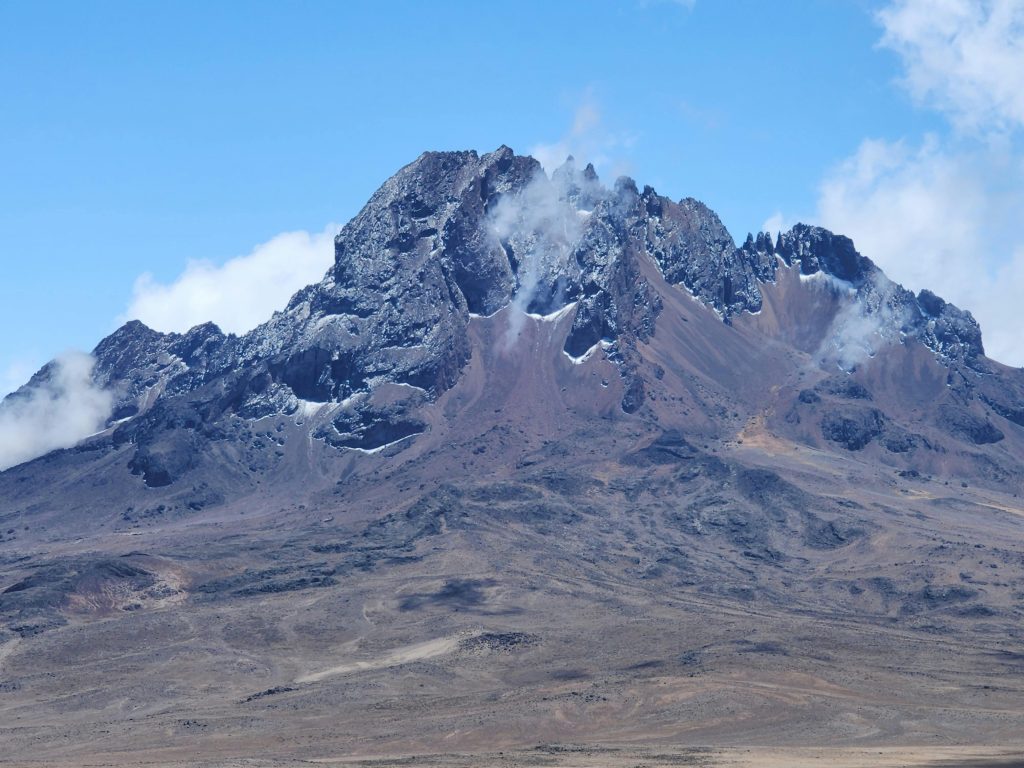
How Tall is Mount Kilimanjaro and What Makes It Unique
How Tall is Mount Kilimanjaro and What Makes It Unique? Mount Kilimanjaro. The very name evokes images of mist-shrouded peaks, vast African plains, and the
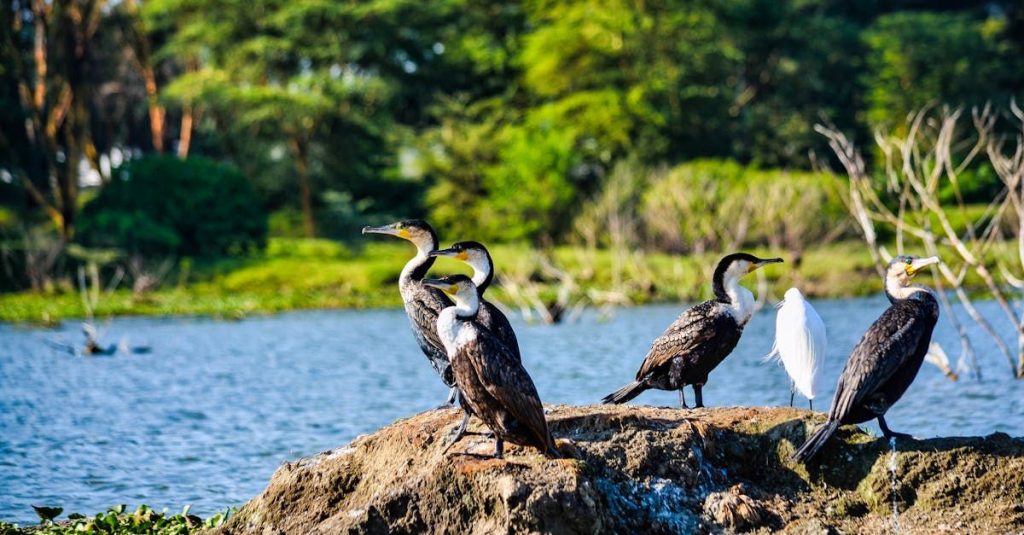
Tanzania National Parks: Top Safari Destinations for 2025
Tanzania National Parks: Top Safari Destinations for 2025 Tanzania has some of the richest wildlife experiences on the planet. One park alone, Ngorongoro, packs about
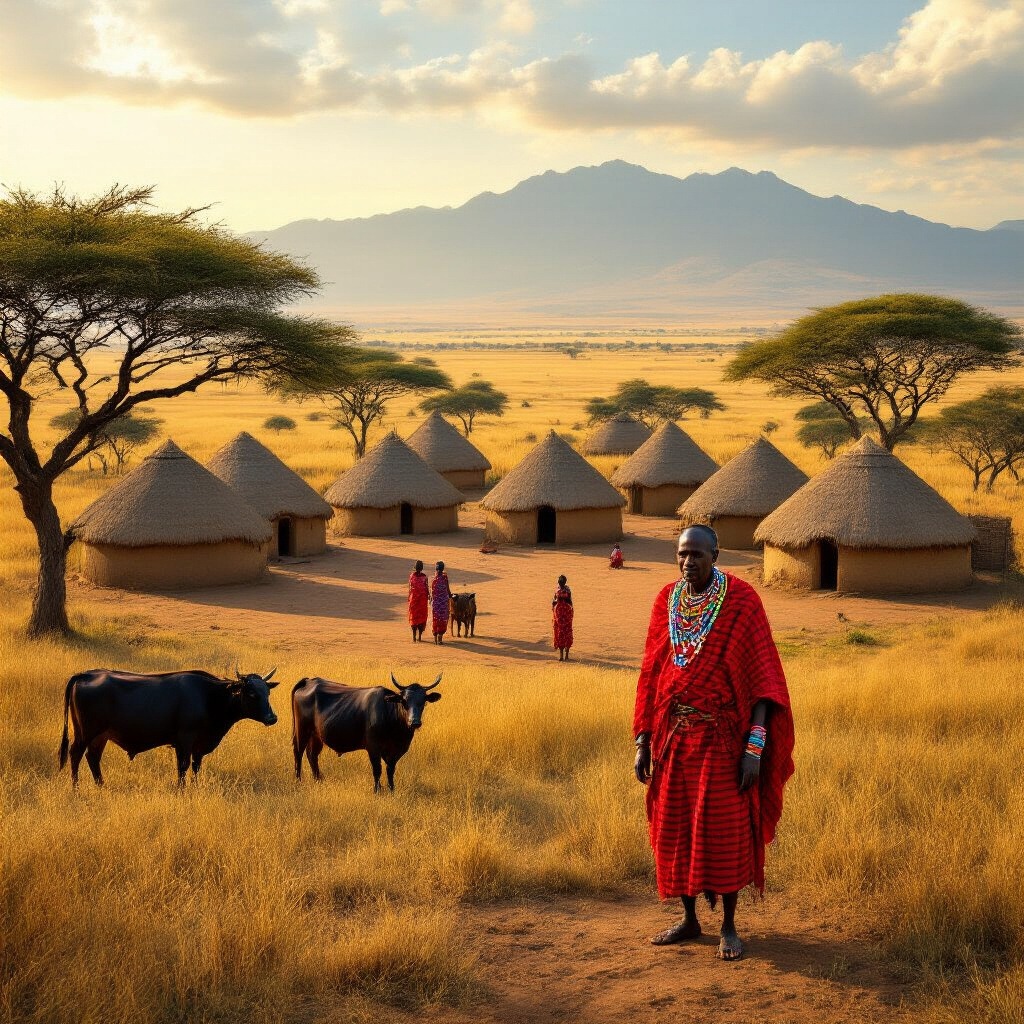
Maasai village tanzania
Explore Authentic Maasai Village Life in Tanzania Ever wondered what it’s like to step into a world where ancient traditions still thrive in our modern
