
Arusha National Park
🌍 Arusha National Park – Gateway to Tanzania’s Natural Wonders
Explore Wildlife, Mountains, and Scenic Beauty with Excellent Safaris
🦒 Overview
Location and Size
Arusha National Park lies in northern Tanzania’s Arusha Region, only about 35–45 km northeast of Arusha city (roughly a 45-minute drive) and ~60 km from Kilimanjaro International Airport. Covering about 552 km², it is small by Tanzanian standards but extremely diverse. The park’s altitude ranges from ~1,400 m on the Ngurdoto plains up to 4,566 m at Mount Meru’s summit. Its proximity to Arusha makes it a convenient stop on the Northern Safari Circuit (near Tarangire, Lake Manyara, Ngorongoro, Serengeti).
Landscapes and Natural Features
Arusha NP is often described as a “miniature Tanzania” because its 552 km² encompass multiple ecosystems. In the park’s lowlands are open savannas and acacia woodlands (Ngurdoto plains), with buffalo, giraffe, zebra and warthog grazing below. Higher up, dense montane rainforest cloaks the slopes of volcanic peaks. The park’s defining landmark is Mount Meru (4,566 m), an extinct volcano whose fertile forested flanks form a crucial water catchment. Adjoining Meru is a large caldera (Meru Crater) and the Jekukumia River. To the southeast lies Ngurdoto Crater, a 3 km-wide volcanic bowl ringed by forest; its swampy floor hosts buffalo, warthog and other wildlife. In the northeast is a series of Momella Lakes – seven small soda and freshwater lakes that shift colors from green to blue. These alkaline lakes attract flocks of lesser and greater flamingos, pelicans and other waterbirds, as shown in the photo above. Above 3,800 m, Arusha NP’s ecosystem transitions to alpine heath and rocky desert, with views of nearby snow-capped Kilimanjaro on clear days.
Main Attractions
Mount Meru: Tanzania’s second-highest mountain (4,566 m), offering multi-day hikes through rainforest to alpine ridges. The summit (“Socialist Peak”) rewards trekkers with sunrise views and vistas of Kilimanjaro. (Permits and an armed ranger are required.)
Ngurdoto Crater: A “miniature Ngorongoro” – a steep-sided volcanic crater with a grassy, marshy floor. Visitors can walk along the rim or in the crater (with guides) to see buffalo, bushbucks and abundant birdlife.
Momella Lakes: A chain of alkaline lakes known for colorful waters and large flocks of flamingos. Canoeing trips on Small Momella Lake offer close-up views of hippos, flamingos and grazing giraffes.
Serengeti Ndogo (Little Serengeti): In the park’s west (near Ngongongare gate) are short-grass plains teeming with grazing animals, reminiscent of the Serengeti (though without its vast herds).
Other highlights include the Tululusia waterfall trail and panoramic viewpoints of Meru Crater. Despite its compact size, every hour in Arusha NP brings a new landscape – from grassland plains to misty forest to volcanic heights.
Wildlife
Although small, Arusha NP supports a rich variety of wildlife. Common large mammals include giraffe, Cape buffalo, plains zebra, warthog, elephant, waterbuck, and bushbuck. Forested slopes harbor primates such as the black-and-white colobus monkey and blue (Sykes’) monkey, while elusive leopards may be present but are seldom seen. The park’s wetlands and forests boast over 400 bird species. Flamingos and pelicans famously feed on the Momella Lakes, and forest birds like trogons, turacos and hornbills are abundant. By contrast, big predators are rare in Arusha NP – lions are seldom encountered – which makes guided walking safaris feasible and safe. The photo above shows giraffes and zebra grazing on a grassy plain, a common sight on the park’s open savannas.
Tourist Activities
Visitors to Arusha NP can enjoy a wide range of activities, taking advantage of the park’s varied habitats:
Hiking and Mountaineering: The most popular is the Mount Meru trek (3–4 days). Trails traverse rainforest, heathland and ash desert to reach Socialist Peak at 4,566 m. Park rangers guide all climbs. Shorter day-hikes include forest walks to waterfalls (e.g. Tululusia trail) or rim walks around Ngurdoto Crater.
Guided Walking Safaris: Unusually for Tanzania, Arusha NP allows ranger-led walking tours in safe zones. These 1–4 hour walks (e.g. crater rim or Momella wetlands) bring guests on foot close to giraffes, buffalo and primates.
Game Drives: Well-maintained trails loop through Ngongongare Gate, Ngurdoto Crater and Momella Lakes. In half-day or full-day drives, visitors commonly see giraffes, buffaloes, zebras, warthogs and waterbuck. Early mornings are best for spotting any shy predators, while late afternoons bring active birdlife. Both guided and self-drive safaris are possible (4×4 vehicle recommended).
Canoeing: On Small Momella Lake visitors can paddle among wildlife. Guided canoe trips (about 2 hours) allow safe viewing of hippos, flamingos and shore-dwelling giraffes. Boats and life vests are provided by TANAPA.
Birdwatching and Photography: With forests, lakes and open plains, Arusha NP is a birder’s paradise. Photographers prize the park’s scenery (rainforests, crater, reflective lakes) and the chance to capture wildlife with Mount Meru or Kilimanjaro as a backdrop.
Other amenities include picnic sites, lodges, and camping areas (reservations required for all camping). The park’s varied terrain and fewer crowds make it ideal for photographers and eco-tourists seeking a quiet, nature-focused experience.
Cultural and Ecological Significance
Arusha National Park plays a vital ecological role in northern Tanzania. It is a key water catchment and forest reserve for the region – the slopes of Mount Meru feed rivers and streams used by people and wildlife downstream. The park also serves as a wildlife corridor linking Meru Forest Reserve with Kilimanjaro and Tarangire ecosystems. For these reasons it is recognized under UNESCO’s “Man and the Biosphere” program, which highlights its high ecological diversity and community conservation initiatives.
Culturally, the park is surrounded by Meru and Maasai communities. TANAPA works with locals on community tourism and conservation projects; for example, Maasai guides often accompany walking safaris, and bee-keeping and cultural visits are offered in nearby villages. (The park’s name itself comes from the Waarusha people, a sub-group of the Meru, who traditionally inhabited the area.) In sum, Arusha NP is valued not only for its scenery and wildlife but as a “living classroom” of geology, ecology and sustainable tourism.
Accessibility
Arusha NP is one of Tanzania’s most accessible parks. It lies just off the A23 road north of Arusha town. The Ngongongare Gate (west side) is about 35 km from Arusha (45 minutes by car). An alternate entry, Momella Gate, serves Mount Meru climbers and lies on the eastern side. The park is reachable year-round on well-maintained roads, though a 4×4 vehicle is recommended during the rainy season. Visitors typically fly into Kilimanjaro International Airport (JRO) or Arusha Airport; from either, the park gates are about 1–2 hours away by road. Entry is by vehicle (car, 4×4 or safari van); fuel must be topped up outside the park (no fuel stations inside).
Arusha NP’s gates open daily from 06:30 to 18:30. Tour operators often use the park as a day-trip from Arusha town (half-day to full-day), or combine it with multi-day Mt Meru climbs and northern circuit safaris.
Park Fees
All fees are set by TANAPA (Tanzania National Parks Authority). As of 2025, park entrance (conservation) fees are:
Foreign non-resident adults: US$50 per person per day (peak season); US$45 (low season).
Foreign children (5–15): US$15 (both seasons).
East African (Tanzania, Kenya, Uganda, Rwanda, Burundi, S. Sudan, DRC) adults: TZS 10,000 per day; children 5–15: TZS 2,000.
Tanzanian residents (permit holders): US$25 per adult; children (5–15) TZS 2,000.
Vehicle fees (per day) and camping/accommodation fees also apply. For example, a small foreign-registered vehicle pays US$40–200 depending on size. Mount Meru trekking requires additional payments: a mandatory armed guide at US$15/day per group, a rescue fee (~US$20 per trekker), plus nightly hut fees. All payments in the park are cashless (electronic). Visitors should budget in advance and obtain an e-ticket via TANAPA’s online portal or on-site at the gate.
Arusha National Park is often overlooked in favor of its more famous neighbors—but that’s what makes it a hidden gem. Here’s why it deserves a spot on your itinerary:
✅ Perfect for Short Safaris
Located just 40 minutes from Arusha town and close to Kilimanjaro International Airport, it’s ideal for travelers with limited time who still want a real wildlife experience.
✅ Diverse Landscapes in One Park
From montane rainforests and crater lakes to alpine moorlands and open savannahs, few parks offer this much natural variety in such a compact area.
✅ Unique Activities Not Found Elsewhere
It’s one of the few parks in Tanzania where you can enjoy walking safaris, canoe trips, and mountain trekking—offering a more immersive connection to nature.
✅ See Giraffes and Colobus Monkeys Up Close
Arusha is home to one of the largest populations of giraffes in Tanzania, along with rare black-and-white colobus monkeys that you can see swinging through the trees.
✅ Mount Meru Trekking
For adventurers, Mount Meru offers a challenging climb and stunning views of Kilimanjaro from the summit. It’s a fantastic acclimatization climb before attempting Kilimanjaro.
✅ Peaceful, Uncrowded Safaris
Unlike the busier Serengeti and Ngorongoro, Arusha offers a tranquil safari experience with fewer vehicles and more time to enjoy nature.
🌤️ Best Time to Visit Arusha National Park
| Season | Months | Experience Highlights |
|---|---|---|
| Dry Season | June to October | Best for walking safaris, clear views of Mount Meru, less vegetation – easier wildlife spotting |
| Green/Wet Season | November to May | Lush scenery, excellent birding (especially flamingos at Momella Lakes), fewer tourists |
🏞️ Top Attractions
🏔️ Mount Meru Climb
🐘 Wildlife Safaris – Giraffes, zebras, colobus monkeys, buffalo
🌊 Canoeing on Momella Lakes
🥾 Walking Safaris near Ngurdoto Crater
🐦 Birdwatching with over 400 species
🚙 Activities with Excellent Safaris
Guided day trips from Arusha or Moshi
Mount Meru trekking (3–4 days)
Cultural tours to Meru villages
Walking and canoe safaris
Private birding excursions
🗓️ Sample Day Itinerary
🚐 Morning pick-up in Arusha or Moshi
🦓 Game drive in savannah & forest
🍱 Picnic lunch with scenic views
🥾 Optional walking or canoe safari
🌇 Return in the evening
❓ Frequently Asked Questions
🕐 How long should I spend in Arusha National Park?
A full-day safari is perfect, but even a half-day tour offers a rewarding experience.
Are Big Five animals in the park?
No lions or rhinos, but you can see giraffes, zebras, buffaloes, and monkeys up close.
📅 Can I climb Mount Meru with Excellent Safaris?
Absolutely! We organize 3 to 4-day treks up Mount Meru with expert guides and porters.
Is Arusha National Park suitable for kids or seniors?
Yes! It’s a low-altitude, relaxed park great for families and seniors, with optional walking or vehicle-based activities.
What should I bring for a day trip?
Binoculars, a camera, a light jacket, sunscreen, hat, reusable water bottle, and sturdy shoes for walking safaris.
Is it crowded?
No. Unlike Serengeti or Ngorongoro, Arusha offers a peaceful, uncrowded safari experience.
🗣️ What Our Guests Say About Arusha national park

For latest information visit ours blog
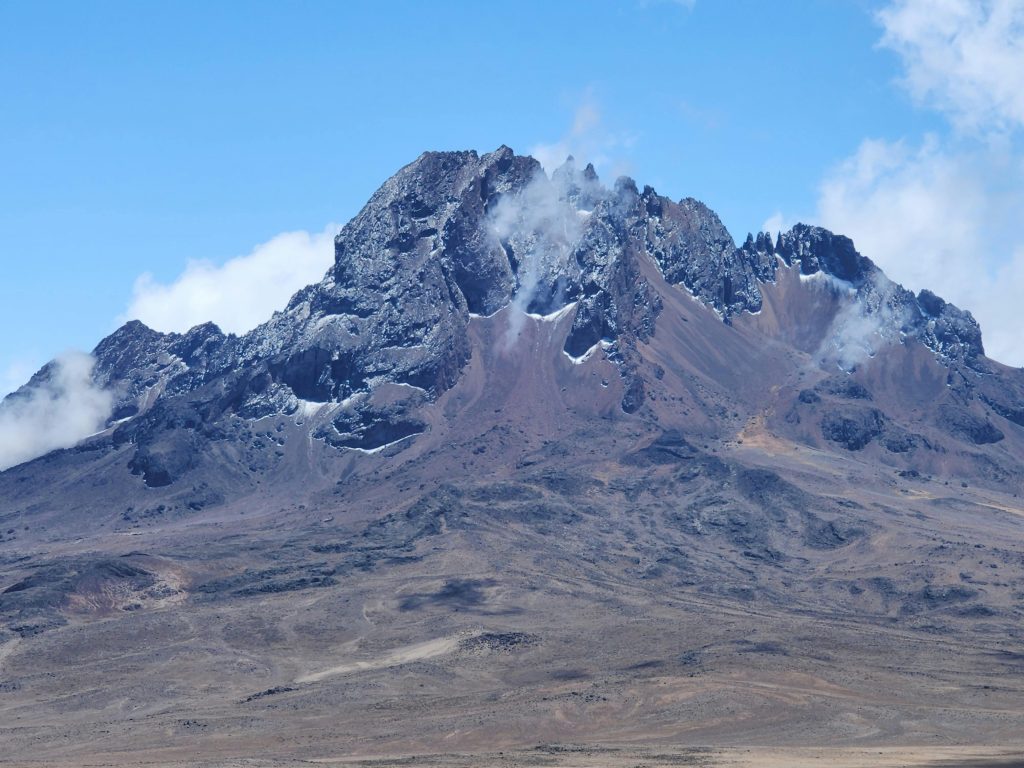
How Tall is Mount Kilimanjaro and What Makes It Unique
How Tall is Mount Kilimanjaro and What Makes It Unique? Mount Kilimanjaro. The very name evokes images of mist-shrouded peaks, vast African plains, and the
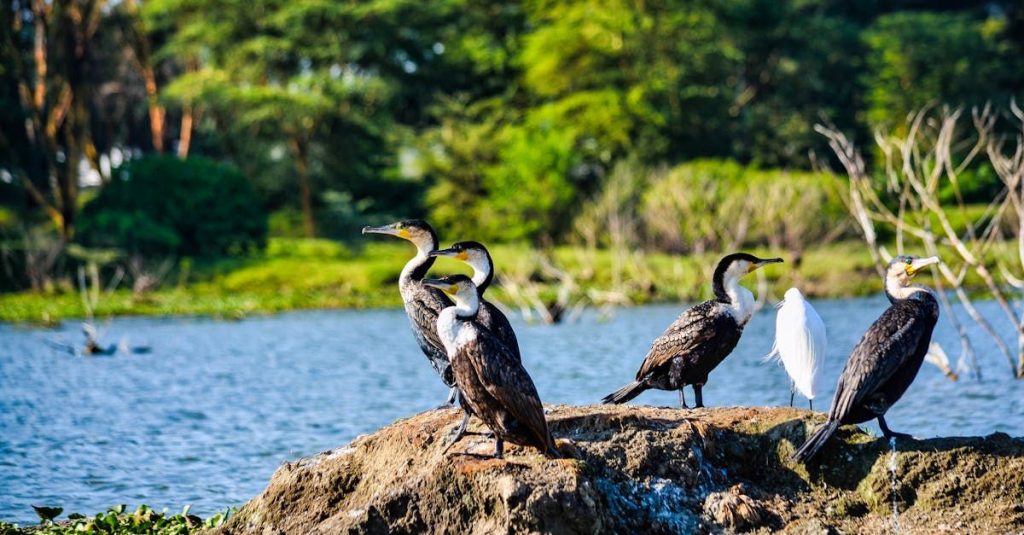
Tanzania National Parks: Top Safari Destinations for 2025
Tanzania National Parks: Top Safari Destinations for 2025 Tanzania has some of the richest wildlife experiences on the planet. One park alone, Ngorongoro, packs about
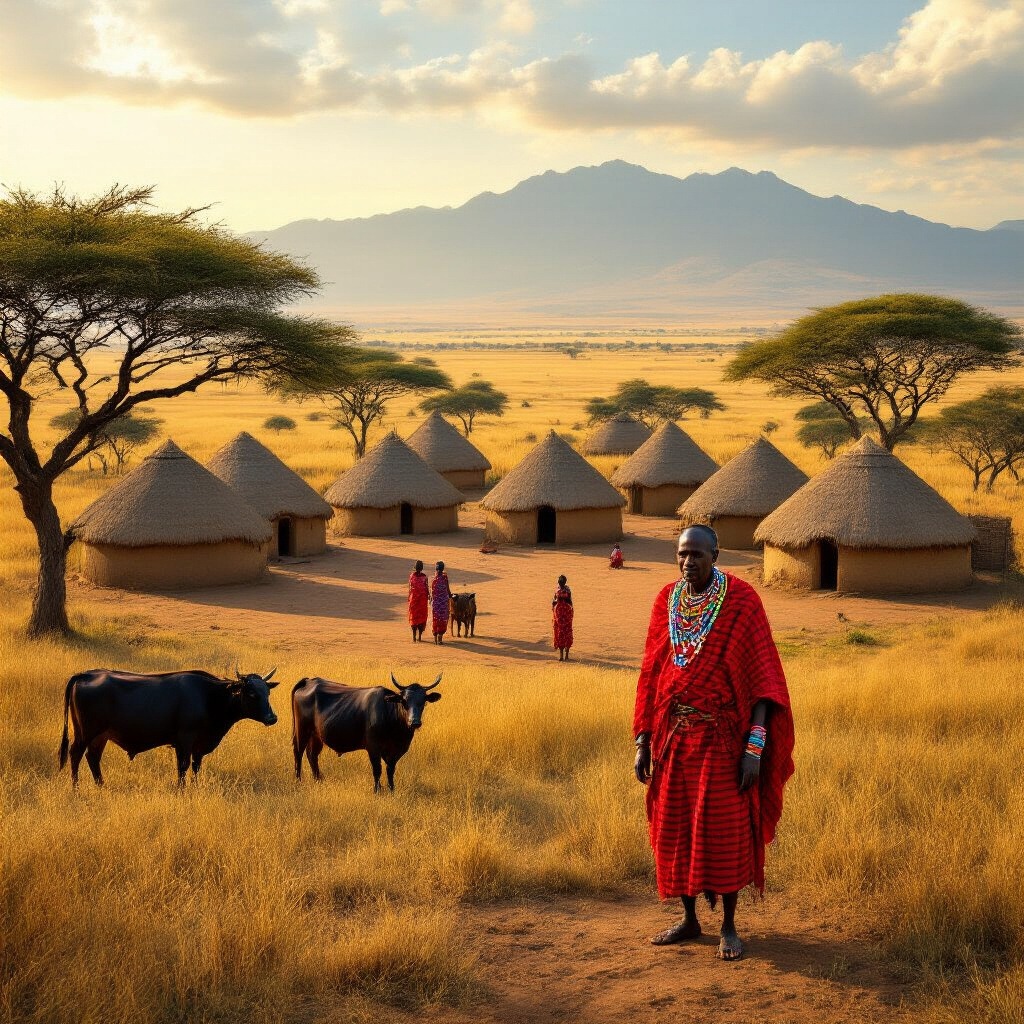
Maasai village tanzania
Explore Authentic Maasai Village Life in Tanzania Ever wondered what it’s like to step into a world where ancient traditions still thrive in our modern